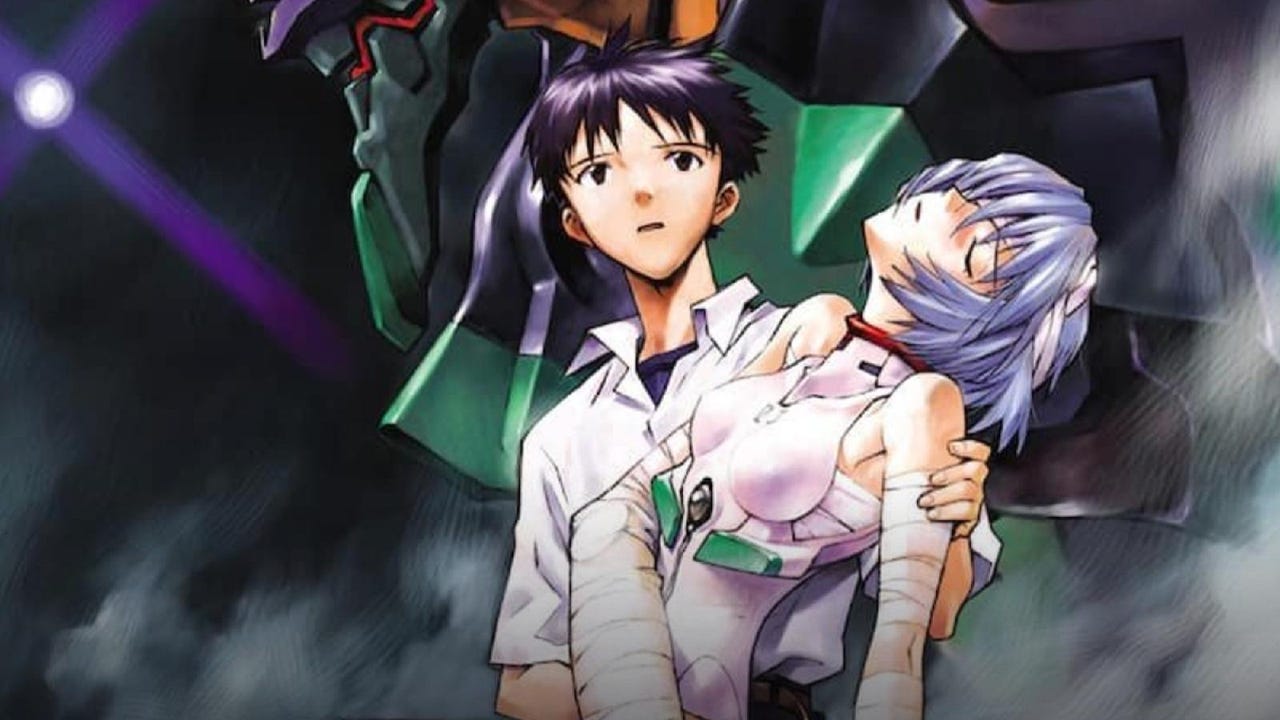
Evangelion Returns: NieR Automata's Yoko Taro Pens New Anime
Few anime franchises have left as indelible a mark on popular culture as Neon Genesis Evangelion. For three decades, Hideaki Anno’s masterpiece has captivated, confused, and challenged audiences, sparking debates and inspiring countless works of fiction. Just when fans thought the saga had found its poignant, albeit ambiguous, conclusion with Evangelion: 3.0+1.0 Thrice Upon a Time, the universe of Angels, Evas, and existential angst beckons once more. As part of its monumental 30th-anniversary celebration, Studio Khara has dropped a bombshell that has sent shockwaves through the anime world: a brand-new evangelion new anime series is officially in production. But perhaps the most electrifying detail of this announcement is the reveal of its writer: the enigmatic and brilliant Yoko Taro, known for his profoundly dark and philosophical video game narratives like NieR: Automata.
The prospect of a fresh take on Evangelion, especially with such a distinctive creative voice at the helm, promises a viewing experience unlike anything before. It’s a bittersweet moment for many who found closure in the Rebuild series, yet the lure of Evangelion's returning mystique, now filtered through Taro's unique lens, is undeniably powerful. Get ready to dive back into the depths of humanity's psyche, where giant mechs and metaphysical ponderings collide, all under the masterful guidance of a visionary renowned for pushing narrative boundaries.
The Unending Saga: Why Evangelion Returns to the Forefront
Neon Genesis Evangelion isn't just an anime; it's a cultural phenomenon, a deconstruction that transcended its genre to become a benchmark for introspective storytelling. Launched in 1995, it initially presented itself as a high-octane sci-fi action series centered around Shinji Ikari, a reluctant teenager coerced into piloting a colossal mecha called an Evangelion unit to defend humanity from mysterious, monstrous entities known as Angels. However, this seemingly straightforward premise quickly unraveled into a deeply complex narrative, exploring themes of depression, trauma, religious symbolism, and the very nature of human consciousness.
Over the years, the franchise has notoriously "ended" multiple times—from the controversial original TV finale to the mind-bending The End of Evangelion film, and then again with the four-part Rebuild of Evangelion cinematic series. Each conclusion offered a different facet of closure, or perhaps, a new beginning. The enduring appeal of Evangelion lies in its rich ambiguity and its capacity for endless interpretation, making its return almost inevitable. For a deeper dive into why this return is both exciting and fraught with expectation, explore our article: Evangelion Saga Continues: Why a New Anime is a Bittersweet Surprise.
This latest iteration, announced during the franchise's 30th-anniversary celebrations on February 23, 2026, reinforces a core truth about Evangelion: nothing truly ever ends when it comes to stories that resonate so profoundly. The evangelion new anime series isn't merely a nostalgic cash grab; it's a testament to the narrative's infinite potential and its creator's willingness to re-examine and expand its universe. It’s a chance to see how modern sensibilities and fresh creative minds can interpret a story that has consistently redefined what anime can be.
Yoko Taro's Vision: A Perfect (and Perverse) Match for Evangelion
The most compelling aspect of the upcoming evangelion new anime is undoubtedly the involvement of Yoko Taro as its writer. For those unfamiliar with his work, Taro is the visionary director and writer behind critically acclaimed video games such as the Drakengard series and, most famously, NieR: Automata. His games are renowned for their dark, philosophical narratives, challenging player expectations, and exploring profound existential questions through unconventional storytelling.
Consider the thematic parallels: Evangelion delves deep into the psychological trauma of its characters, their struggles with identity, the futility of conflict, and the search for meaning in a bleak world. Yoko Taro’s narratives often feature:
- Existential Dread: Both Evangelion and Taro's works plunge characters into crises of existence, forcing them to confront their purpose and the nature of their reality.
- Character Psychology: Taro excels at crafting deeply flawed, complex characters whose internal struggles drive the plot. This aligns perfectly with Evangelion's focus on Shinji, Rei, Asuka, and Misato's inner turmoils.
- Dark and Melancholic Tones: Taro is unafraid to explore the darker aspects of humanity, despair, and loss, often wrapped in a hauntingly beautiful aesthetic—a hallmark of Evangelion.
- Philosophical Storytelling: Expect deep dives into ethics, morality, and what it means to be human, topics Evangelion has always tackled with immense bravery.
- Unconventional Narrative Structures: Taro is famous for multiple endings, meta-commentary, and narrative twists that redefine the player's understanding of the story. While anime is a different medium, his approach could lead to truly experimental and thought-provoking storytelling within the Evangelion framework.
For fans of NieR: Automata, the prospect of Taro bringing his signature style to Evangelion promises an experience that is both intellectually stimulating and emotionally devastating. His ability to weave intricate plots that peel back layers of reality, combined with Evangelion's rich lore and character archetypes, could result in a truly unique and memorable addition to the franchise. It's a match made in a dark, beautiful corner of narrative heaven.
The Creative Force: Directors, Studios, and Musical Maestros Behind the New Anime
While Yoko Taro’s writing is a significant draw, the success of any anime lies in its complete creative team. The evangelion new anime project boasts an impressive lineup that balances legacy with fresh perspectives, ensuring both continuity and innovation. Taking the directorial reins are Kazuya Tsurumaki and Toko Yatabe.
Kazuya Tsurumaki is a name intrinsically linked to the Evangelion legacy. Considered Hideaki Anno's protégé, Tsurumaki has been a long-time animator at Gainax and played pivotal roles in past Evangelion projects. He directed the first half of the original TV series' two-part finale, co-directed The End of Evangelion, and was a key director for all four Rebuild of Evangelion films. His deep understanding of the franchise's nuances and Anno's vision makes him an ideal choice to steer this new installment. Furthermore, his recent work on the Gundam series Mobile Suit Gundam GQuuuuuuX, co-produced by Studio Khara, showcased a style that felt reminiscent of an Evangelion-Gundam crossover, hinting at fascinating possibilities for this new project.
Joining Tsurumaki is Toko Yatabe, whose previous credits include work on Evangelion:3.0(-46h) and Chainsaw Man. Yatabe's involvement brings a dynamic blend of experience within the Evangelion universe and exposure to contemporary, highly successful anime productions, ensuring a modern edge to the animation and storytelling.
The animation itself will be a collaborative effort between Studio Khara—Anno’s own studio and the primary force behind the Rebuild films—and CloverWorks. Studio Khara's involvement guarantees visual consistency and an adherence to the distinctive Evangelion aesthetic. CloverWorks, known for popular titles like Spy x Family and co-producing the mecha anime Darling in the Franxx, brings its vibrant animation capabilities and fresh talent to the table, promising a visually stunning experience. For more detailed information on the brilliant minds bringing this project to life, see our companion article: Who is Behind the New Evangelion Anime? Directors & Studio Details.
Adding another layer of synergy, Keiichi Okabe, the acclaimed composer known for his hauntingly beautiful scores for the NieR series, will be handling the music. This reunion with Yoko Taro is particularly exciting, as Okabe's ethereal and often melancholic compositions are perfectly suited to the emotional intensity and philosophical depth that defines Evangelion.
What to Expect from the New Evangelion Anime
With such a stellar team, especially with Yoko Taro at the helm, the evangelion new anime is poised to be a groundbreaking addition to the franchise. While specific plot details remain under wraps, we can make some informed speculations and prepare ourselves for the journey ahead.
Potential Narrative Directions:
- Deeper Psychological Scrutiny: Taro's writing often strips characters bare, exposing their deepest fears and motivations. Expect even more intense psychological exploration of its cast, potentially introducing new characters whose inner lives are as complex as Shinji's.
- Non-Linear or Fragmented Storytelling: Given Taro's penchant for experimental narratives, the new series might not follow a conventional linear progression. Flashbacks, alternative timelines, or dream sequences could be used to delve into the characters' fractured realities.
- Metaphysical and Philosophical Expansions: Evangelion has always touched upon grand philosophical ideas. With Taro, these explorations could become even more pronounced, challenging viewers to ponder questions of free will, identity, and the nature of existence within the Evangelion universe.
- A Fresh Perspective, Not a Direct Continuation: While the "Evangelion 5.0" title (if still in use) might suggest a direct sequel, Yoko Taro often introduces fresh angles rather than straightforward continuations. This could mean a story set in a different point in the timeline, an alternate universe, or even a meta-commentary on the franchise itself.
Tips for Viewers:
- Embrace Ambiguity: Evangelion thrives on ambiguity. Don't expect all questions to be answered, but rather appreciate the layers of meaning and the opportunity for personal interpretation.
- Prepare for Emotional Intensity: Both Taro and Evangelion are known for their ability to evoke strong emotions. Be ready for a rollercoaster of despair, hope, confusion, and profound insight.
- Revisit the Classics (Optional): While a new series might be designed for newcomers, a refresher on the original series and films can enrich your understanding of the franchise's core themes and characters.
- Engage with the Community: The Evangelion fandom is vibrant and passionate. Discussing theories and interpretations with others can enhance the viewing experience and uncover nuances you might have missed.
This evangelion new anime is not just another entry; it's a bold artistic statement, merging the iconic depth of Evangelion with the subversive genius of Yoko Taro. It promises to be a series that will be debated, analyzed, and adored for years to come.
Conclusion
The announcement of a new evangelion new anime series, particularly with Yoko Taro at the creative helm, signals a monumental moment for both long-time fans and newcomers to the franchise. It’s a testament to Neon Genesis Evangelion’s enduring legacy and its remarkable capacity for reinvention. From its iconic mecha battles to its groundbreaking psychological narratives, Evangelion has always pushed boundaries. With Taro's unique vision, supported by veteran directors Tsurumaki and Yatabe, and the combined might of Studio Khara and CloverWorks, we are undoubtedly on the cusp of experiencing an Evangelion unlike any we've seen before.
This upcoming project promises to be a fusion of familiar despair and fresh, philosophical dread, soundtracked by Keiichi Okabe’s evocative compositions. As we look forward to this new chapter, one thing is certain: Evangelion continues its tradition of challenging and captivating audiences, proving that some stories, no matter how many times they "end," are destined to return, richer and more complex than ever. What are your hopes and fears for this audacious new direction?